Bitter Gourd / Karela
-
Estimated Delivery:Jun 11 - Jun 15
-
Free Shipping & Returns: On All Orders
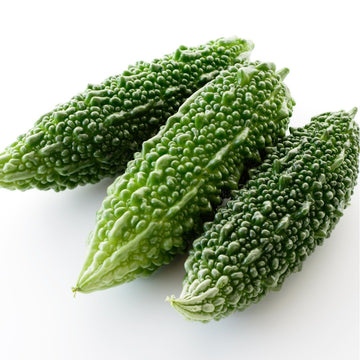
Bitter Gourd / Karela
Grow authentic, fresh Bitter Gourd (Karela) at home with plants from Souq Garden — your trusted source to buy Bitter Gourd Karela plants online in Dubai and UAE. Known as Karela in Hindi and Urdu, Bitter Gourd is one of the most beloved vegetables across South Asian, Southeast Asian, and Chinese cuisine — and it's one of the easiest vegetables to grow in UAE's warm climate. Whether you have a spacious villa garden in Abu Dhabi, a rooftop terrace in Sharjah, or a large balcony in Dubai, Bitter Gourd plants will reward you with a continuous harvest of fresh, distinctive fruits. Souq Garden delivers healthy, nursery-grown plants across all UAE emirates.
Why Bitter Gourd (Karela) Thrives in UAE's Climate
Bitter Gourd is naturally adapted to hot, tropical climates — making it one of the most productive vegetables you can grow in the UAE, including during the warmer months when most other vegetables struggle. At temperatures between 25–35°C, Bitter Gourd grows vigorously and produces heavily. This means UAE gardeners can enjoy fresh Karela through much of the year, with the main season running February through October. For South Asian and Southeast Asian expat communities in Dubai and Abu Dhabi, growing Karela at home means access to fresh, pesticide-free bitter gourd — a vegetable that's expensive and often of inconsistent quality in UAE markets.
Key Features and Specifications
- Scientific Name: Momordica charantia — the cultivated bitter gourd species
- Common Names: Bitter Gourd, Karela, Bitter Melon, Balsam Pear
- Plant Type: Climbing vine — needs trellis or support structure
- UAE Growing Season: Year-round; peak production March–October in warm months
- Sunlight Requirement: Full sun — minimum 6–8 hours of direct sunlight daily
- Fruit Colour: Pale to dark green when harvested young; orange-yellow when over-ripe
- Harvest Frequency: Every 2–3 days during peak production
- Disease Resistance: Good natural disease resistance with proper care
Bitter Gourd (Karela) Care Guide for UAE
Sunlight: Bitter Gourd needs full sun for maximum productivity. In UAE gardens and balconies, ensure plants receive at least 6–8 hours of direct sunlight. The more sun exposure, the more flowers and fruits the plant will produce. East or south-facing positions work best.
Watering: Water deeply every day in UAE conditions. Bitter Gourd has moderate water needs but performs best with consistent moisture. During UAE summers, daily watering is essential. Mulching around the base of plants helps retain soil moisture and reduce watering frequency. Avoid waterlogging — good drainage is critical.
Soil: Bitter Gourd grows well in sandy loam or silt loam soils with excellent drainage. In containers, use a mix of potting soil, compost, red soil, and perlite. Maintain soil pH of 6.5–7.0. Enrich planting holes or containers with organic compost before planting.
Fertilizer: Apply organic manure or compost at planting time. Start NPK fertilizer after 2 weeks, using a balanced formula first, then higher nitrogen for rapid vegetative growth. Once flowering begins, switch to higher potassium to encourage fruit set. Foliar micronutrient sprays every 2–3 weeks improve overall plant health and fruit yield.
Temperature: Bitter Gourd is one of the few vegetables that grows productively at UAE summer temperatures (25–35°C). Plants slow down only above 36°C (poor female flower production). This makes it particularly valuable for UAE year-round gardening.
Support/Trellis: Bitter Gourd is a vigorous climbing vine — provide a trellis, wire mesh, fence, or bamboo frame for plants to climb. Vertical growing maximises air circulation, reduces fungal disease risk, and makes harvesting easy. A trellis 1.5–2 metres tall is ideal.
Pollination: Bitter Gourd produces separate male and female flowers on the same plant. If you notice poor fruit set, check for female flowers (which have a small fruit at the base) and ensure pollinators are present. Manual pollination using a soft brush can improve fruit set in enclosed gardens.
Pruning: Remove dead leaves, old fruits, and any pest-damaged growth. Light pruning improves air circulation and directs energy to new productive growth. Harvest fruits regularly to encourage continuous production.
Ideal Placement for Bitter Gourd Plants in UAE
Villa Gardens with Trellises: Bitter Gourd is perfect for growing along garden fences, wall trellises, or pergola structures in UAE villas. The climbing vines provide both fresh produce and natural greenery simultaneously.
Rooftop Gardens: Rooftops with wire mesh supports or bamboo trellises are excellent for Bitter Gourd in the UAE. The heat retention of rooftops in winter actually benefits this warmth-loving crop.
Community Gardens: Bitter Gourd is a popular choice for UAE community garden plots, particularly in areas with large South Asian and Southeast Asian communities.
Large Balcony Containers: Grow in large containers (25+ litres) with a trellis attached to the balcony railing or an independent bamboo frame. Balcony-grown Bitter Gourd is very productive with good sun exposure.
Frequently Asked Questions
Q: Is Bitter Gourd easy to grow in Dubai and the UAE?
A: Yes — Bitter Gourd (Karela) is one of the easiest vegetables to grow in the UAE because it naturally thrives in hot weather. It's more productive in UAE conditions than many other vegetables and can be grown almost year-round, making it an excellent choice for UAE home gardeners.
Q: When is the best time to plant Bitter Gourd in the UAE?
A: Bitter Gourd can be planted February through October in the UAE. The plants thrive at 25–35°C which matches UAE's spring through autumn temperatures. For year-round harvests, plant in batches every 6–8 weeks.
Q: Does Bitter Gourd need a trellis or support?
A: Yes — Bitter Gourd is a climbing vine and grows best with trellis support. A bamboo frame, wire mesh, garden fence, or wall-mounted trellis works well. Vertical growing improves air circulation, reduces disease, and makes harvesting easier.
Q: How often should I harvest Bitter Gourd?
A: Harvest when fruits are 10–15 cm long and still firm with pale green skin. Check plants every 2–3 days and harvest regularly to encourage continuous production. Leaving over-ripe fruits on the vine (they turn orange-yellow) signals the plant to reduce production.
Q: Why are my Bitter Gourd plants flowering but not producing fruit?
A: This is usually a pollination issue — Bitter Gourd produces separate male and female flowers. Male flowers appear first; female flowers (with a small fruit at the base) appear later. Ensure pollinators can access your plants, or manually transfer pollen from male to female flowers using a soft brush.
Order your Bitter Gourd (Karela) plants from Souq Garden today and enjoy fresh, home-grown karela from your own UAE garden. We offer free delivery on orders above AED 200 across Dubai, Abu Dhabi, Sharjah, and all UAE emirates — your healthy, productive Bitter Gourd plants arrive ready to climb and produce.
Seasonal Care Calendar for UAE
Spring (March-May): Excellent growing season for Bitter Gourd (Karela) in UAE gardens. Apply organic fertilizer monthly. Install sturdy trellises as vines grow rapidly. Mulch heavily to conserve soil moisture.
Summer (June-September): Bitter Gourd (Karela) loves UAE summer heat — one of the most productive vines in extreme temperatures. Provide deep watering 3-4 times weekly. Train vines on trellises to maximize fruit production and improve airflow.
Autumn (October-November): Continued strong production as temperatures moderate. Apply potassium-rich fertilizer to encourage continued flowering. Ideal time to plant new Bitter Gourd (Karela) seeds for spring harvest.
Winter (December-February): Production slows in UAE winter. Reduce watering frequency. Plants may need protection from rare cold snaps in inland areas. Excellent time to plan next season's vine arrangement.
Pest Management for UAE Bitter Gourd Gardens
UAE Bitter Gourd vines face common pests including aphids, fruit flies, and powdery mildew. Use neem oil sprays as an organic preventive measure applied early morning. Companion planting with marigolds and basil naturally deters many pests. Inspect Bitter Gourd (Karela) vines weekly during peak growing season for early pest detection. Healthy plants grown in quality soil with consistent deep watering are naturally more resilient in UAE conditions.
Additional Frequently Asked Questions
Can I grow Bitter Gourd on my UAE balcony?
Yes, Bitter Gourd (Karela) grows successfully in 20L+ containers with vertical trellises on Dubai, Abu Dhabi, and Sharjah balconies with 6+ hours of sunlight.
What soil is best for Bitter Gourd in UAE?
Use rich, well-draining vegetable potting mix with added compost. Bitter Gourd tolerates UAE sandy soil when generously amended with organic matter.
How often should I harvest Bitter Gourd?
Harvest every 2-3 days when fruits are 10-15 cm long for best flavor. Allowing fruits to ripen reduces overall vine productivity.
Why are my Bitter Gourd flowers not setting fruit?
Hand-pollinate by transferring pollen from male to female flowers with a small brush. UAE indoor cultivation sometimes lacks natural pollinators.
🪴 Plant Care Guide
🚚 Shipping Information
Orders are processed within 1-2 business days.
Estimated delivery is 3-7 business days, depending on your location.
Free shipping on all orders above AED 200. A flat fee of AED 50 applies for orders below this amount.
We work with trusted delivery partners to ensure safe and timely shipping.
🔄 Returns, Refunds & Cancellation Policy
at the time of delivery with the delivery agent.
original packaging. If the plant has been repotted or the original packaging is missing, a refund will not be possible.
10 working days after the return is approved.
Recently Viewed Products
Complete the Look
Everything your plant needs to thrive — curated together
Bitter Gourd / Karela
AED 15.00
Holland TORF Potting Soil
AED 45.00
Automatic Plant Waterers
AED 25.00