


Brinjal – Eggplant
-
Estimated Delivery:Jul 31 - Aug 04
-
Free Shipping & Returns: On All Orders

Brinjal – Eggplant
Add a glossy, productive vegetable crop to your home garden with Brinjal – Eggplant from Souq Garden. Also known as aubergine, brinjal (Solanum melongena) is one of the most rewarding warm-season vegetables to grow in the UAE, producing waves of glossy purple-black fruits across many weeks. Whether you garden in a Dubai villa, an Abu Dhabi backyard, or a balcony in Sharjah, this brinjal plant delivers consistent yields with minimal fuss.
Why Brinjal Thrives in the UAE
Brinjal loves warmth and sunshine, making it perfectly matched to UAE growing conditions. With temperatures between 22–32°C, plants flower abundantly and set fruit continuously. Local growing means harvest-fresh fruits straight from the plant — silky textured, slightly sweet, and packed with nutrients for everything from baba ganoush to baingan bharta and Mediterranean ratatouille.
Key Features and Specifications
- Botanical Name: Solanum melongena
- Common Names: Brinjal, Eggplant, Aubergine
- Mature Height: 60–90 cm
- Fruit Colour: Glossy purple-black
- Fruit Length: 15–25 cm
- Days to First Harvest: 70–85 days from transplant
- Yield per Plant: 8–12 fruits over the season
- Best Growing Season: September to April in the UAE
Care Guide
Light
Brinjal needs 6–8 hours of direct sunlight daily for maximum flowering and fruit set. Choose the sunniest spot in your garden or balcony.
Watering
Water deeply 3–4 times weekly. Drip irrigation works best, keeping foliage dry to reduce disease pressure. Increase watering once fruits begin to develop.
Soil
Use rich, well-draining loam with pH 6.0–6.8. Mix in plenty of compost, vermicompost, and a handful of bone meal at planting time.
Feeding
Feed with a balanced NPK fertiliser every 14 days. Once flowering starts, switch to a high-potassium feed to boost fruit set and quality.
Pruning and Support
Stake plants once they reach 30 cm tall. Remove suckers below the first flower and pinch the growing tip when the plant has 4–5 main branches.
Best Uses
- Baingan bharta, baba ganoush, and Mediterranean grilling
- Curries, stews, and stir-fries
- UAE home vegetable gardens and raised beds
- Container gardening on balconies
- Educational and community gardens
Common Problems and Solutions
- Whiteflies: Use yellow sticky traps and spray neem oil weekly.
- Blossom drop: Caused by extreme heat — provide afternoon shade in peak summer.
- Fruit borers: Hand-pick affected fruits and apply Bt spray.
- Yellowing leaves: Indicates nitrogen deficiency — feed with a balanced fertiliser.
Why Buy from Souq Garden
Souq Garden is the UAE's leading online garden centre, delivering healthy plants, seeds, and growing supplies to Dubai, Sharjah, Ajman and Umm Al Quwain. Enjoy same-day delivery in Dubai, climate-tested varieties, and expert horticultural support.
Frequently Asked Questions
When should I plant brinjal in the UAE?
Transplant during the cooler months from September through April for the longest cropping window.
How long until I can harvest?
First fruits are ready 70–85 days after transplanting healthy seedlings.
Can brinjal be grown in containers?
Yes, use a minimum 25-litre container per plant with rich potting mix.
How much sun does brinjal need?
At least 6 hours of direct sunlight per day for strong flowering and fruiting.
How often should I water brinjal in Dubai?
3–4 deep waterings per week, increasing during fruit development.
Does Souq Garden deliver across the UAE?
Yes, we deliver to all seven Emirates with same-day delivery available in Dubai.
Seasonal Care Calendar for the UAE
The UAE's climate divides into four distinct gardening windows. Each one calls for different watering, feeding, and placement choices for your Brinjal – Eggplant across Dubai, Abu Dhabi, Sharjah, Ajman, Ras Al Khaimah, Fujairah, Umm Al Quwain, and Al Ain.
Spring (March to May)
Spring is the most active growth window in the UAE. Daytime temperatures sit between 25°C and 35°C, and humidity remains moderate. This is the right time to repot, prune, and start a regular feeding schedule using a balanced fertiliser from our plant food and fertiliser range. Move container plants from sheltered winter spots into morning sunlight, and water deeply two to three times a week.
Summer (June to September)
Summer in the UAE pushes temperatures above 45°C, and direct afternoon sun can scorch leaves within hours. Shift your Brinjal – Eggplant to filtered light, increase watering frequency (early morning and after sunset), and consider 50% shade netting on rooftop and balcony gardens in Dubai Marina, Al Reem Island, and Al Nahda. Mulch heavily to slow evaporation, and avoid heavy pruning until temperatures drop.
Autumn (October to November)
Autumn brings relief and a second growth flush. Resume monthly feeding, refresh topsoil, and inspect for pests that built up during summer. This is the best window to introduce new plants from our vegetable plants collection because cooler nights help roots establish quickly.
Winter (December to February)
UAE winters are mild (15°C to 25°C) but dew, fog, and occasional rain affect Sharjah, Al Ain, and the Hajar Mountain foothills more than coastal Dubai. Reduce watering by roughly 40%, pause fertilising for tropical varieties, and move sensitive species closer to walls that radiate stored daytime warmth.
Balcony and Rooftop Growing in the UAE
Brinjal – Eggplant thrives on UAE balconies and rooftops from October through April. Use 30-litre or larger containers from our pots range for proper root development, and fill with a vegetable potting mix enriched with compost and slow-release fertiliser from our plant food collection. Position pots where they receive at least six hours of direct morning sun.
UAE tap water can be slightly alkaline — flush containers monthly with a deep watering to prevent salt build-up. Drip irrigation kits and self-watering reservoirs from our plant care accessories range dramatically reduce wilting during work hours.
Pest Management in UAE Conditions
Whitefly, aphids, and spider mites appear quickly in dry UAE heat. Inspect undersides of leaves weekly and treat early with neem oil or insecticidal soap from our pest and disease management collection. Companion plant with basil, marigolds, or coriander from our herbs collection to deter common pests naturally.
Common Problems and Solutions in UAE Conditions
Leaf Yellowing
Yellowing leaves on Brinjal – Eggplant most often signal overwatering or salt build-up from UAE tap water. Allow the top 3-5 cm of soil to dry between waterings, and flush containers monthly with a deep slow watering to wash out accumulated salts. Yellowing during winter usually indicates cold draft exposure or dormancy — normal and recoverable.
Brown Leaf Tips
Crispy brown tips point to low humidity, common in air-conditioned UAE homes during summer. Group plants together, use a pebble tray, or mist foliage with filtered water twice weekly. Avoid misting in the evening to prevent fungal issues.
Pest Pressure
Mealybugs, spider mites, scale, and whitefly all thrive in warm UAE conditions. Inspect weekly using a hand lens, and treat early with neem oil or insecticidal soap from our pest and disease management collection. Quarantine affected plants for two weeks to prevent spread.
Sand and Dust Build-Up
Fine UAE desert dust coats leaves and reduces photosynthesis. Wipe broadleaf foliage monthly with a damp cloth, and rinse small-leaved plants under the shower or with a garden hose on a low setting. Clean leaves also discourage spider mite colonies.
Companion Plants and Garden Pairings
Pair Brinjal – Eggplant with plants that share similar light, water, and feeding needs for a balanced garden display. In UAE villa gardens, combine with drought-tolerant species from our outdoor plants collection such as bougainvillea, oleander, and lantana for low-maintenance colour. For balcony arrangements, mix with compact varieties from our indoor plants collection to create visual layers without overcrowding root systems.
Companion planting also supports pest control. Strongly scented herbs from our herbs collection — basil, mint, rosemary, and lemongrass — repel many common UAE pests when planted alongside ornamental and edible varieties. For more pairing ideas, explore our curated vegetable plants collection.
🪴 Plant Care Guide
🚚 Shipping Information
Orders are processed within 1-2 business days.
Estimated delivery is 3-7 business days, depending on your location.
Free shipping on all orders above AED 200. A flat fee of AED 50 applies for orders below this amount.
We work with trusted delivery partners to ensure safe and timely shipping.
🔄 Returns, Refunds & Cancellation Policy
at the time of delivery with the delivery agent.
original packaging. If the plant has been repotted or the original packaging is missing, a refund will not be possible.
10 working days after the return is approved.
Recently Viewed Products
Complete the Look
Everything your plant needs to thrive — curated together

Brinjal – Eggplant
AED 15.00

Holland Torf Potting Soil
AED 45.00
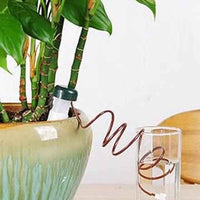
Automatic Plant Waterers
AED 25.00