

Coral Stones
-
Estimated Delivery:Jun 18 - Jun 22
-
Free Shipping & Returns: On All Orders

Coral Stones
Coral Stones: Nature's Underwater Wonders
Coral stones are a unique and captivating type of natural stone that showcases the beauty of the ocean and its intricate ecosystems. These stones are formed from the skeletal remains of coral polyps and are often found in shallow tropical waters. The vibrant colors and patterns seen in coral stones are a result of the mineralization process that occurs over thousands of years, transforming the soft corals into hard, durable stones.
Coral stones not only serve as stunning decorative pieces but also hold great ecological significance. They provide habitat for a variety of marine life, including fish, crustaceans, and other aquatic organisms. The intricate structures of coral reefs protect coastlines from erosion and serve as vital breeding grounds for numerous species. As such, coral stones play a crucial role in maintaining the balance of marine ecosystems.
Furthermore, coral stones have been used for centuries in various cultures for both functional and decorative purposes. Ancient civilizations recognized the beauty and strength of coral stones and utilized them in jewelry, sculptures, and architectural elements. Today, they are popular in the field of interior design, where they are often utilized as unique accent pieces or incorporated into larger installations.
In addition to their aesthetic appeal, coral stones are believed to possess metaphysical properties. Many individuals and cultures attribute healing qualities to these stones, believing they can enhance emotional well-being and foster a sense of calm. Some even use coral stones in meditation practices, considering them a source of positive energy and tranquility.
When it comes to sourcing coral stones, it’s essential to consider sustainability. As coral reefs face significant threats from climate change, pollution, and overfishing, responsible sourcing practices are crucial. Opting for ethically sourced coral stones, especially those that come from sustainable operations, helps preserve marine ecosystems for future generations while still allowing individuals to enjoy the beauty of these natural wonders.
If you’re considering incorporating coral stones into your home or collection, there are a variety of ways to do so. For instance, using coral stones in landscaping can create visually striking arrangements, whether for garden paths, decorative rock gardens, or even as natural borders around pools. In interior design, coral stones can add texture and color to any room, serving as stunning centerpieces on tables or as part of wall displays.
Coral stones also make for wonderful gifts for those who appreciate nature’s marvels. Their uniqueness and connection to the ocean resonate with many, making them thoughtful presents for special occasions such as birthdays, anniversaries, or housewarmings. As more people become aware of the importance of sustainable practices, gifting responsibly sourced coral stones can also convey a message of environmental awareness and care.
As we continue to explore the incredible world of coral stones, it’s crucial to recognize the importance of preserving these natural resources. Supporting organizations dedicated to coral reef preservation can make a significant impact on the health of our ocean ecosystems. By choosing to learn about and invest in coral stones that have been responsibly sourced, we can enjoy their beauty while contributing to the protection of the ocean's delicate balance.
In conclusion, coral stones are much more than just beautiful natural elements; they are a testament to the wonders of the ocean and a reminder of the importance of sustainability in our purchasing choices. Embracing the beauty of coral stones allows us to connect with the environment while celebrating the artistry of nature itself.
Whether you're an ocean enthusiast, a collector of unique stones, or someone looking to enhance your living space, coral stones offer endless possibilities for enjoyment and inspiration.
Seasonal Care Calendar for the UAE
The UAE's climate divides into four distinct gardening windows. Each one calls for different watering, feeding, and placement choices for your Coral Stones across Dubai, Abu Dhabi, Sharjah, Ajman, Ras Al Khaimah, Fujairah, Umm Al Quwain, and Al Ain.
Spring (March to May)
Spring is the most active growth window in the UAE. Daytime temperatures sit between 25°C and 35°C, and humidity remains moderate. This is the right time to repot, prune, and start a regular feeding schedule using a balanced fertiliser from our plant food and fertiliser range. Move container plants from sheltered winter spots into morning sunlight, and water deeply two to three times a week.
Summer (June to September)
Summer in the UAE pushes temperatures above 45°C, and direct afternoon sun can scorch leaves within hours. Shift your Coral Stones to filtered light, increase watering frequency (early morning and after sunset), and consider 50% shade netting on rooftop and balcony gardens in Dubai Marina, Al Reem Island, and Al Nahda. Mulch heavily to slow evaporation, and avoid heavy pruning until temperatures drop.
Autumn (October to November)
Autumn brings relief and a second growth flush. Resume monthly feeding, refresh topsoil, and inspect for pests that built up during summer. This is the best window to introduce new plants from our flowering outdoor plants collection because cooler nights help roots establish quickly.
Winter (December to February)
UAE winters are mild (15°C to 25°C) but dew, fog, and occasional rain affect Sharjah, Al Ain, and the Hajar Mountain foothills more than coastal Dubai. Reduce watering by roughly 40%, pause fertilising for tropical varieties, and move sensitive species closer to walls that radiate stored daytime warmth.
Landscape Design Ideas for UAE Gardens
Coral Stones works beautifully in mixed UAE garden schemes. Pair with bougainvillea, hibiscus, and desert rose for a heat-tolerant tropical palette suited to Dubai villas and Al Ain courtyards. Plant in odd-numbered groupings (three, five, seven) for visual rhythm, and underplant with low-water ground covers to suppress weeds and conserve moisture.
For container displays on Sharjah balconies or Abu Dhabi rooftops, choose tall narrow planters from our pots collection and pair with trailing varieties from our flowering outdoor plants collection for vertical interest.
Encouraging More Blooms
Deadhead spent blooms weekly to redirect energy into new flower production. Feed every two to three weeks during the cooler months with a bloom-booster fertiliser high in phosphorus from our plant food range. Avoid wetting the petals when watering — UAE humidity combined with damp blooms encourages fungal spotting.
Common Problems and Solutions in UAE Conditions
Leaf Yellowing
Yellowing leaves on Coral Stones most often signal overwatering or salt build-up from UAE tap water. Allow the top 3-5 cm of soil to dry between waterings, and flush containers monthly with a deep slow watering to wash out accumulated salts. Yellowing during winter usually indicates cold draft exposure or dormancy — normal and recoverable.
Brown Leaf Tips
Crispy brown tips point to low humidity, common in air-conditioned UAE homes during summer. Group plants together, use a pebble tray, or mist foliage with filtered water twice weekly. Avoid misting in the evening to prevent fungal issues.
Pest Pressure
Mealybugs, spider mites, scale, and whitefly all thrive in warm UAE conditions. Inspect weekly using a hand lens, and treat early with neem oil or insecticidal soap from our pest and disease management collection. Quarantine affected plants for two weeks to prevent spread.
Sand and Dust Build-Up
Fine UAE desert dust coats leaves and reduces photosynthesis. Wipe broadleaf foliage monthly with a damp cloth, and rinse small-leaved plants under the shower or with a garden hose on a low setting. Clean leaves also discourage spider mite colonies.
Companion Plants and Garden Pairings
Pair Coral Stones with plants that share similar light, water, and feeding needs for a balanced garden display. In UAE villa gardens, combine with drought-tolerant species from our outdoor plants collection such as bougainvillea, oleander, and lantana for low-maintenance colour. For balcony arrangements, mix with compact varieties from our indoor plants collection to create visual layers without overcrowding root systems.
Companion planting also supports pest control. Strongly scented herbs from our herbs collection — basil, mint, rosemary, and lemongrass — repel many common UAE pests when planted alongside ornamental and edible varieties. For more pairing ideas, explore our curated flowering outdoor plants collection.
Frequently Asked Questions
Is Coral Stones suitable for first-time gardeners in the UAE?
Yes. With a basic care routine — appropriate watering, the right pot from our pots range, and seasonal feeding from our plant food collection — most beginners succeed within the first season.
How does Coral Stones cope with UAE summer heat?
Provide afternoon shade, mulch the root zone, and water early morning and late evening. Container plants benefit from light-coloured pots that reflect rather than absorb heat.
Can I keep Coral Stones indoors in a Dubai or Abu Dhabi apartment?
Many varieties adapt well to indoor conditions provided they receive adequate light. Place near a bright window away from direct AC airflow, and maintain humidity through grouping or a pebble tray.
How often should I fertilise Coral Stones in UAE conditions?
Feed every three to four weeks during the cooler growing months (October through May), and reduce or pause feeding during peak summer. Use a balanced fertiliser from our plant food collection.
What is the best soil mix for Coral Stones in the UAE?
A blend of quality potting soil, compost, and perlite (in roughly 2:1:1 ratio) provides drainage and nutrition. UAE garden soil often contains high mineral salts, so container growing with imported mix is preferred for sensitive species.
Does Souq Garden deliver across the UAE?
Yes. We deliver across Dubai, Sharjah, Ajman and Umm Al Quwain. Enjoy free delivery on orders above AED 200.
🪴 Plant Care Guide
🚚 Shipping Information
Orders are processed within 1-2 business days.
Estimated delivery is 3-7 business days, depending on your location.
Free shipping on all orders above AED 200. A flat fee of AED 50 applies for orders below this amount.
We work with trusted delivery partners to ensure safe and timely shipping.
🔄 Returns, Refunds & Cancellation Policy
at the time of delivery with the delivery agent.
original packaging. If the plant has been repotted or the original packaging is missing, a refund will not be possible.
10 working days after the return is approved.
Recently Viewed Products
Complete the Look
Everything your plant needs to thrive — curated together

Coral Stones
AED 20.00

Holland TORF Potting Soil
AED 45.00
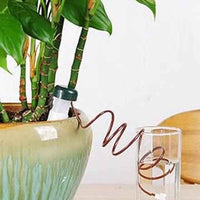
Automatic Plant Waterers
AED 25.00