

Cultivator
-
Estimated Delivery:Sep 16 - Sep 20
-
Free delivery in Dubai over AED 99 · UAE-wide over AED 200
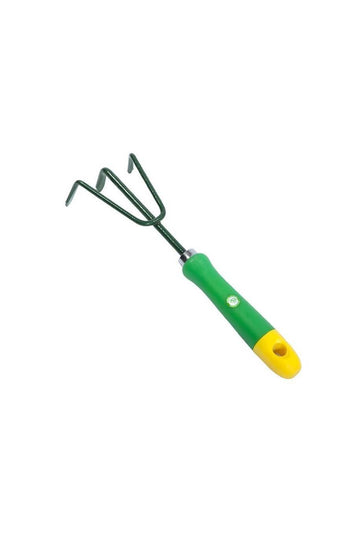
Cultivator
Cultivator Tools for Gardening
Cultivator tools for gardening are essential for any avid gardener looking to maintain their outdoor space effectively. These tools not only help in breaking up hard soil, but they also allow for aeration, which is vital for plant health. Cultivators come in various styles and sizes, from hand tools for small gardens to larger, motorized versions for larger plots. Investing in a good cultivator can significantly enhance your gardening experience, ensuring that your plants thrive.
When selecting cultivator tools for gardening, consider the type of soil you’re working with. Soft, loose soil may only require a simple hand cultivator, while compacted or rocky soil might necessitate a more robust, mechanical option. The design of a cultivator typically features tines or prongs that dig into the soil, allowing it to be loosened and aerated efficiently. Some models even come with adjustable tines for various working depths, making them versatile for different gardening tasks.
Another essential factor is the handle length. Long-handled cultivators are perfect for larger areas, enabling you to work without bending over, thus reducing back strain. Conversely, short-handled tools are effective for precision work in flower beds or vegetable patches where control is paramount. Cultivator tools for gardening are not only about functionality; they can also be an expression of your gardening style and preferences.
Some of the most popular cultivator tools include the three-prong cultivator, which is excellent for loosening soil, and the four-prong cultivator for greater digging capability. Additionally, some cultivators include a weeding feature, allowing you to remove weeds while cultivating the soil. This dual function can save you time and effort in maintaining your garden's health.
Furthermore, different materials impact the effectiveness and lifespan of cultivator tools for gardening. Stainless steel is durable and resistant to rust, while carbon steel is sharpenable but may require more maintenance. Wooden handles offer great grip and comfort but can wear out over time. It’s essential to find a balance between weight, comfort, and durability when choosing your cultivator.
In terms of maintenance, keep your cultivator tools clean after each use. Dirt and debris can lead to rust and deterioration over time. Regularly inspect your tools for any signs of wear, especially on the tines, and sharpen them when necessary to ensure they are performing at their best.
Moreover, cultivating your garden isn’t just about the tools but also about the technique. Proper methods of using your cultivator can lead to better results. Start by pushing the cultivator forward and then pull it back while applying slight pressure downwards. This motion will help break up any compacted soil. For larger areas, use a back-and-forth motion, ensuring you cover the entire space evenly. Remember not to rush; take your time to ensure the soil is adequately aerated.
For those new to gardening, using cultivator tools can be daunting. However, with practice, you'll find that these tools make a significant difference in your gardening efforts. Many resources, including instructional videos and gardening guides, can help you understand the best practices for using cultivators effectively. Learning from experienced gardeners can also provide invaluable tips and tricks.
In conclusion, cultivator tools for gardening are a vital part of any gardener’s toolkit. From aerating soil to preparing seedbeds, these tools enhance your gardening efficiency. Selecting the right cultivator involves understanding your gardening needs, the type of soil, and the best practices for using them. Whether you opt for a simple hand cultivator or a more elaborate motorized tool, investing in quality cultivators will elevate your gardening experience, allowing your plants to flourish.
Seasonal Care Calendar for the UAE
The UAE's climate divides into four distinct gardening windows. Each one calls for different watering, feeding, and placement choices for your Cultivator across Dubai, Abu Dhabi, Sharjah, Ajman, Ras Al Khaimah, Fujairah, Umm Al Quwain, and Al Ain.
Spring (March to May)
Spring is the most active growth window in the UAE. Daytime temperatures sit between 25°C and 35°C, and humidity remains moderate. This is the right time to repot, prune, and start a regular feeding schedule using a balanced fertiliser from our plant food and fertiliser range. Move container plants from sheltered winter spots into morning sunlight, and water deeply two to three times a week.
Summer (June to September)
Summer in the UAE pushes temperatures above 45°C, and direct afternoon sun can scorch leaves within hours. Shift your Cultivator to filtered light, increase watering frequency (early morning and after sunset), and consider 50% shade netting on rooftop and balcony gardens in Dubai Marina, Al Reem Island, and Al Nahda. Mulch heavily to slow evaporation, and avoid heavy pruning until temperatures drop.
Autumn (October to November)
Autumn brings relief and a second growth flush. Resume monthly feeding, refresh topsoil, and inspect for pests that built up during summer. This is the best window to introduce new plants from our gardening supplies collection because cooler nights help roots establish quickly.
Winter (December to February)
UAE winters are mild (15°C to 25°C) but dew, fog, and occasional rain affect Sharjah, Al Ain, and the Hajar Mountain foothills more than coastal Dubai. Reduce watering by roughly 40%, pause fertilising for tropical varieties, and move sensitive species closer to walls that radiate stored daytime warmth.
Choosing the Right Gardening Supplies for UAE Conditions
Cultivator performs reliably in UAE gardens when paired with the right complementary products. Combine with quality potting mixes, slow-release fertilisers from our plant food collection, and durable containers from our pots range built to withstand UAE temperature swings between cool winter mornings and 45°C summer afternoons.
For Dubai balcony growers, lightweight fibreglass and resin planters offer the look of stone or terracotta without the weight. Sharjah and Al Ain villa gardeners often prefer terracotta and ceramic for in-ground planting beds. Browse the full gardening supplies collection for matching accessories.
Storage and Maintenance Tips
Store unused gardening supplies in a cool shaded spot away from direct UAE sunlight. UV exposure degrades plastic tools, fertiliser bags, and irrigation tubing within a single summer. Rinse metal tools after each use and apply a light coat of food-grade mineral oil monthly to prevent rust caused by coastal humidity in Dubai, Sharjah, and Ajman.
Common Problems and Solutions in UAE Conditions
Leaf Yellowing
Yellowing leaves on Cultivator most often signal overwatering or salt build-up from UAE tap water. Allow the top 3-5 cm of soil to dry between waterings, and flush containers monthly with a deep slow watering to wash out accumulated salts. Yellowing during winter usually indicates cold draft exposure or dormancy — normal and recoverable.
Brown Leaf Tips
Crispy brown tips point to low humidity, common in air-conditioned UAE homes during summer. Group plants together, use a pebble tray, or mist foliage with filtered water twice weekly. Avoid misting in the evening to prevent fungal issues.
Pest Pressure
Mealybugs, spider mites, scale, and whitefly all thrive in warm UAE conditions. Inspect weekly using a hand lens, and treat early with neem oil or insecticidal soap from our pest and disease management collection. Quarantine affected plants for two weeks to prevent spread.
Sand and Dust Build-Up
Fine UAE desert dust coats leaves and reduces photosynthesis. Wipe broadleaf foliage monthly with a damp cloth, and rinse small-leaved plants under the shower or with a garden hose on a low setting. Clean leaves also discourage spider mite colonies.
Companion Plants and Garden Pairings
Pair Cultivator with plants that share similar light, water, and feeding needs for a balanced garden display. In UAE villa gardens, combine with drought-tolerant species from our outdoor plants collection such as bougainvillea, oleander, and lantana for low-maintenance colour. For balcony arrangements, mix with compact varieties from our indoor plants collection to create visual layers without overcrowding root systems.
Companion planting also supports pest control. Strongly scented herbs from our herbs collection — basil, mint, rosemary, and lemongrass — repel many common UAE pests when planted alongside ornamental and edible varieties. For more pairing ideas, explore our curated gardening supplies collection.
Frequently Asked Questions
Is Cultivator suitable for first-time gardeners in the UAE?
Yes. With a basic care routine — appropriate watering, the right pot from our pots range, and seasonal feeding from our plant food collection — most beginners succeed within the first season.
How does Cultivator cope with UAE summer heat?
Provide afternoon shade, mulch the root zone, and water early morning and late evening. Container plants benefit from light-coloured pots that reflect rather than absorb heat.
Can I keep Cultivator indoors in a Dubai or Abu Dhabi apartment?
Many varieties adapt well to indoor conditions provided they receive adequate light. Place near a bright window away from direct AC airflow, and maintain humidity through grouping or a pebble tray.
How often should I fertilise Cultivator in UAE conditions?
Feed every three to four weeks during the cooler growing months (October through May), and reduce or pause feeding during peak summer. Use a balanced fertiliser from our plant food collection.
What is the best soil mix for Cultivator in the UAE?
A blend of quality potting soil, compost, and perlite (in roughly 2:1:1 ratio) provides drainage and nutrition. UAE garden soil often contains high mineral salts, so container growing with imported mix is preferred for sensitive species.
Does Souq Garden deliver across the UAE?
Yes. We deliver across Dubai, Sharjah, Ajman and Umm Al Quwain. Enjoy free delivery on orders above AED 200.
🪴 Plant Care Guide
🚚 Shipping Information
Orders are processed within 1–2 business days.
Dubai, Sharjah, Ajman & Umm Al Quwain: delivered within 1–2 working days. Abu Dhabi, Ras Al Khaimah & Fujairah: delivered on our scheduled van runs.
Free delivery in Dubai on orders over AED 99, and UAE-wide on orders over AED 200.
We work with trusted delivery partners to ensure safe and timely shipping.
🔄 Returns, Refunds & Cancellation Policy
Please check your plants when they arrive — returns are accepted at the time of delivery with the delivery agent.
Items must be in their original packaging. If a plant has been repotted or the original packaging is missing, a refund will not be possible.
Approved refunds are processed within 10 working days.
