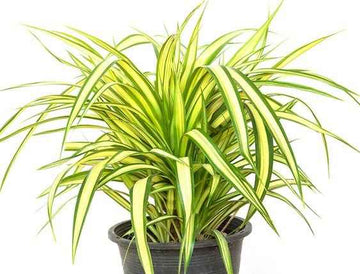
Pandanus
-
Estimated Delivery:Jun 11 - Jun 15
-
Free Shipping & Returns: On All Orders
Pandanus
Pandanus
Pandanus, also known as pandan or screw pine, is a tropical plant with a myriad of uses and significance across various cultures. Native to tropical and subtropical regions, this plant has gained popularity for its unique flavor, fragrance, and versatility. The leaves of Pandanus are long, strap-like, and can grow quite tall, with a rich green color that adds visual interest to gardens and landscapes.
The culinary world has embraced Pandanus due to its distinctive aromatic qualities. The leaves are often used to infuse dishes with a sweet, nutty flavor. In Southeast Asian cuisine, for example, Pandanus leaves are commonly used to wrap foods, imparting not only flavor but also a beautiful green hue to the presentation. Dishes such as the popular Indonesian dessert 'Kue Pandan' utilize the extract from the leaves to achieve a vibrant color and unique taste.
Beyond its culinary uses, Pandanus holds cultural significance in many regions. In several Pacific Island cultures, it is used to weave mats, baskets, and other items, showcasing its durability and flexibility. The fibers from the leaves are strong and can be dyed in various colors, creating beautiful handicrafts that not only serve functional purposes but also tell a story of tradition and heritage.
Pandanus is also notable for its ecological benefits. It plays a crucial role in stabilizing coastal areas, as its extensive root system helps prevent soil erosion. The plant thrives in sandy and unstable soils, making it an essential component in coastal rehabilitation projects. Its ability to tolerate salt and withstand harsh conditions allows it to flourish in environments where many other plants cannot survive.
In addition, Pandanus has numerous health benefits attributed to its leaves and fruit. Traditional medicine practices in various cultures have utilized the plant for its potential therapeutic properties. Extracts from the leaves are believed to have anti-inflammatory, antioxidant, and analgesic effects, contributing to overall wellness and health.
The fruit of Pandanus, often referred to as 'Pandanus fruit' or 'screwpine fruit,' is another aspect of the plant that captures interest. While not as widely known as its leaves, the fruit is edible and has a unique taste that varies depending on the species. It is often used in desserts or eaten fresh, offering a sweet treat for those who are adventurous in their culinary endeavors.
Growing Pandanus is relatively straightforward, as it is a hardy plant that requires minimal maintenance. It prefers well-drained soil and can thrive in partial shade to full sunlight. For those looking to add a touch of greenery to their gardens, Pandanus can be an excellent choice due to its attractive appearance and ease of care.
In conclusion, Pandanus is a remarkable plant with diverse uses, historical significance, and numerous ecological advantages. Its flavor enriches culinary dishes, its fibers support cultural crafts, and its ecological role supports the environment. Whether you are exploring cooking with Pandanus, appreciating its cultural heritage, or cultivating it in your garden, this versatile plant continues to be a source of inspiration and utility across the globe.
Seasonal Care Calendar for the UAE
The UAE's climate divides into four distinct gardening windows. Each one calls for different watering, feeding, and placement choices for your Pandanus across Dubai, Abu Dhabi, Sharjah, Ajman, Ras Al Khaimah, Fujairah, Umm Al Quwain, and Al Ain.
Spring (March to May)
Spring is the most active growth window in the UAE. Daytime temperatures sit between 25°C and 35°C, and humidity remains moderate. This is the right time to repot, prune, and start a regular feeding schedule using a balanced fertiliser from our plant food and fertiliser range. Move container plants from sheltered winter spots into morning sunlight, and water deeply two to three times a week.
Summer (June to September)
Summer in the UAE pushes temperatures above 45°C, and direct afternoon sun can scorch leaves within hours. Shift your Pandanus to filtered light, increase watering frequency (early morning and after sunset), and consider 50% shade netting on rooftop and balcony gardens in Dubai Marina, Al Reem Island, and Al Nahda. Mulch heavily to slow evaporation, and avoid heavy pruning until temperatures drop.
Autumn (October to November)
Autumn brings relief and a second growth flush. Resume monthly feeding, refresh topsoil, and inspect for pests that built up during summer. This is the best window to introduce new plants from our indoor plants collection because cooler nights help roots establish quickly.
Winter (December to February)
UAE winters are mild (15°C to 25°C) but dew, fog, and occasional rain affect Sharjah, Al Ain, and the Hajar Mountain foothills more than coastal Dubai. Reduce watering by roughly 40%, pause fertilising for tropical varieties, and move sensitive species closer to walls that radiate stored daytime warmth.
Best Locations Inside UAE Homes
Pandanus performs best three to five feet from a bright window in UAE apartments. East- and north-facing windows in Dubai high-rises offer ideal indirect light without summer scorch. Avoid placing the plant directly under or beside air-conditioning vents — the cold dry airflow desiccates foliage within days. Rotate the pot a quarter turn weekly so all sides receive even light.
Group indoor plants together to create a humid microclimate that counteracts AC dryness. Pair Pandanus with trailing pothos, snake plants, or ZZ plants from our indoor plants collection for a layered display. Use decorative planters from our pots collection with proper drainage saucers to protect floors and furniture.
AC and Humidity Management
UAE indoor humidity often drops below 30% with AC running constantly. Mist foliage twice weekly with filtered water, use a pebble tray under the pot, or run a small humidifier nearby. Wipe leaves with a damp cloth monthly to remove fine UAE dust and restore the leaf's ability to photosynthesise efficiently. Check the University of Minnesota Extension houseplant guide for additional research-backed indoor plant care references.
Common Problems and Solutions in UAE Conditions
Leaf Yellowing
Yellowing leaves on Pandanus most often signal overwatering or salt build-up from UAE tap water. Allow the top 3-5 cm of soil to dry between waterings, and flush containers monthly with a deep slow watering to wash out accumulated salts. Yellowing during winter usually indicates cold draft exposure or dormancy — normal and recoverable.
Brown Leaf Tips
Crispy brown tips point to low humidity, common in air-conditioned UAE homes during summer. Group plants together, use a pebble tray, or mist foliage with filtered water twice weekly. Avoid misting in the evening to prevent fungal issues.
Pest Pressure
Mealybugs, spider mites, scale, and whitefly all thrive in warm UAE conditions. Inspect weekly using a hand lens, and treat early with neem oil or insecticidal soap from our pest and disease management collection. Quarantine affected plants for two weeks to prevent spread.
Sand and Dust Build-Up
Fine UAE desert dust coats leaves and reduces photosynthesis. Wipe broadleaf foliage monthly with a damp cloth, and rinse small-leaved plants under the shower or with a garden hose on a low setting. Clean leaves also discourage spider mite colonies.
Companion Plants and Garden Pairings
Pair Pandanus with plants that share similar light, water, and feeding needs for a balanced garden display. In UAE villa gardens, combine with drought-tolerant species from our outdoor plants collection such as bougainvillea, oleander, and lantana for low-maintenance colour. For balcony arrangements, mix with compact varieties from our indoor plants collection to create visual layers without overcrowding root systems.
Companion planting also supports pest control. Strongly scented herbs from our herbs collection — basil, mint, rosemary, and lemongrass — repel many common UAE pests when planted alongside ornamental and edible varieties. For more pairing ideas, explore our curated indoor plants collection.
Frequently Asked Questions
Is Pandanus suitable for first-time gardeners in the UAE?
Yes. With a basic care routine — appropriate watering, the right pot from our pots range, and seasonal feeding from our plant food collection — most beginners succeed within the first season.
How does Pandanus cope with UAE summer heat?
Provide afternoon shade, mulch the root zone, and water early morning and late evening. Container plants benefit from light-coloured pots that reflect rather than absorb heat.
Can I keep Pandanus indoors in a Dubai or Abu Dhabi apartment?
Many varieties adapt well to indoor conditions provided they receive adequate light. Place near a bright window away from direct AC airflow, and maintain humidity through grouping or a pebble tray.
How often should I fertilise Pandanus in UAE conditions?
Feed every three to four weeks during the cooler growing months (October through May), and reduce or pause feeding during peak summer. Use a balanced fertiliser from our plant food collection.
What is the best soil mix for Pandanus in the UAE?
A blend of quality potting soil, compost, and perlite (in roughly 2:1:1 ratio) provides drainage and nutrition. UAE garden soil often contains high mineral salts, so container growing with imported mix is preferred for sensitive species.
Does Souq Garden deliver across the UAE?
Yes. We deliver across Dubai, Sharjah, Ajman and Umm Al Quwain. Enjoy free delivery on orders above AED 200.
🪴 Plant Care Guide
🚚 Shipping Information
Orders are processed within 1-2 business days.
Estimated delivery is 3-7 business days, depending on your location.
Free shipping on all orders above AED 200. A flat fee of AED 50 applies for orders below this amount.
We work with trusted delivery partners to ensure safe and timely shipping.
🔄 Returns, Refunds & Cancellation Policy
at the time of delivery with the delivery agent.
original packaging. If the plant has been repotted or the original packaging is missing, a refund will not be possible.
10 working days after the return is approved.
Recently Viewed Products
Complete the Look
Everything your plant needs to thrive — curated together
Pandanus
AED 15.00
Holland TORF Potting Soil
AED 45.00
Automatic Plant Waterers
AED 25.00